Decoding the molecular mechanisms of viruses and immunity

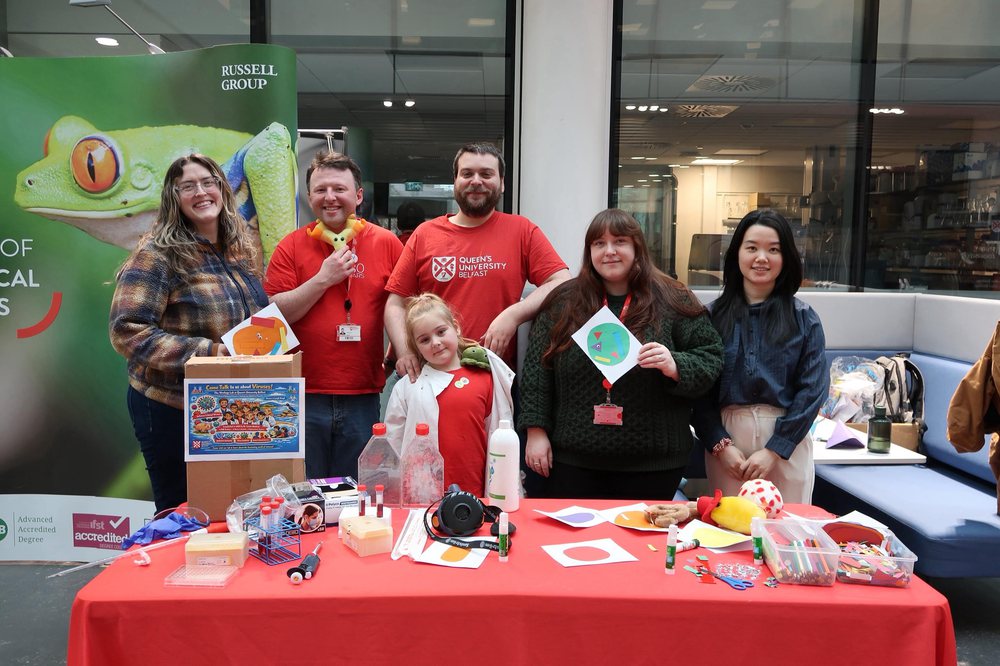
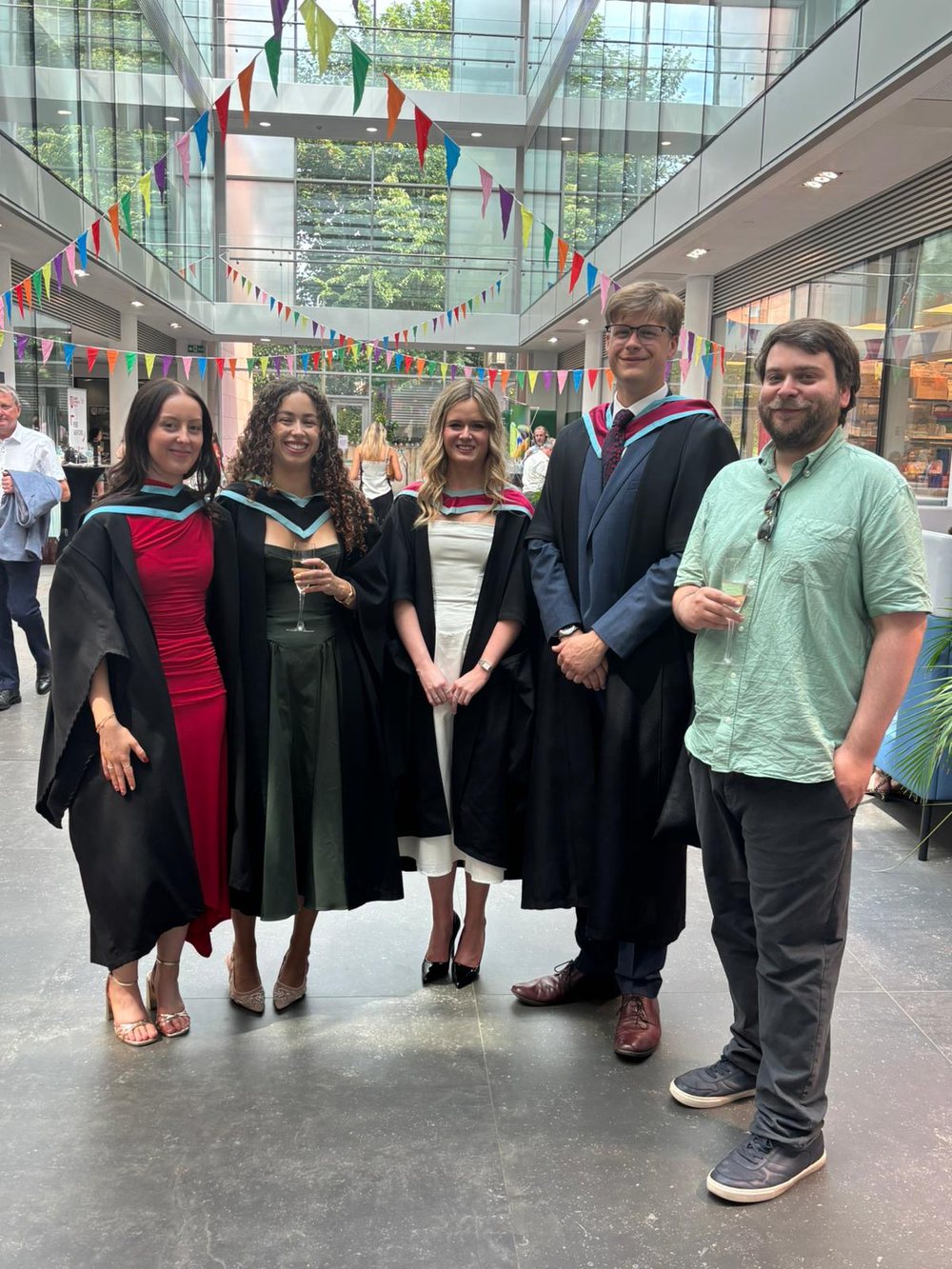
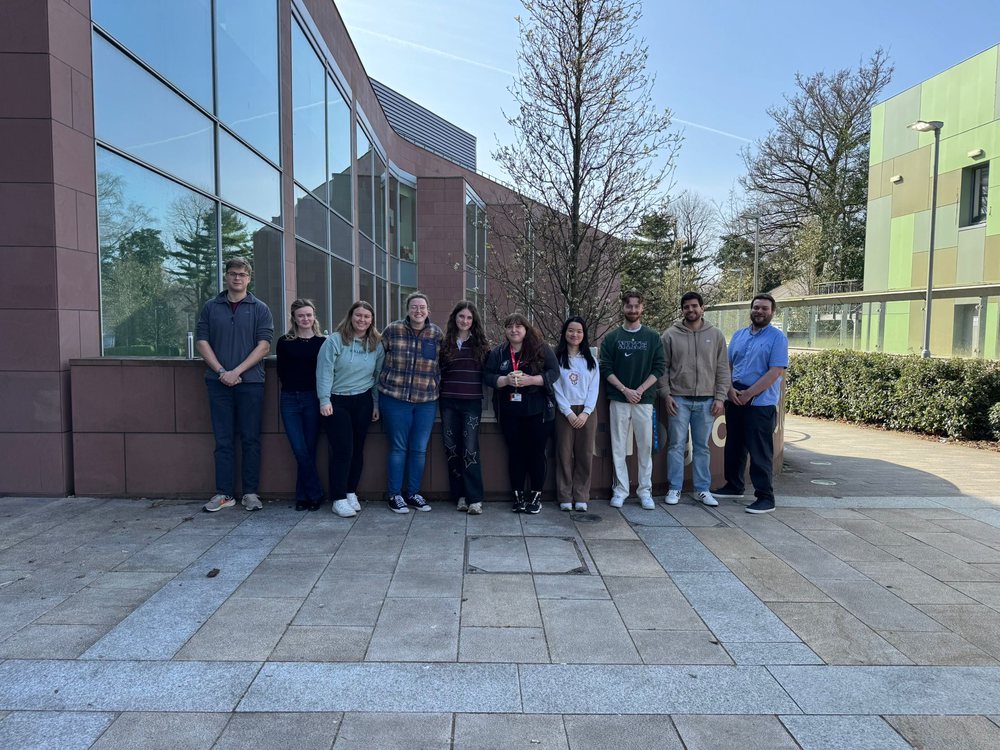
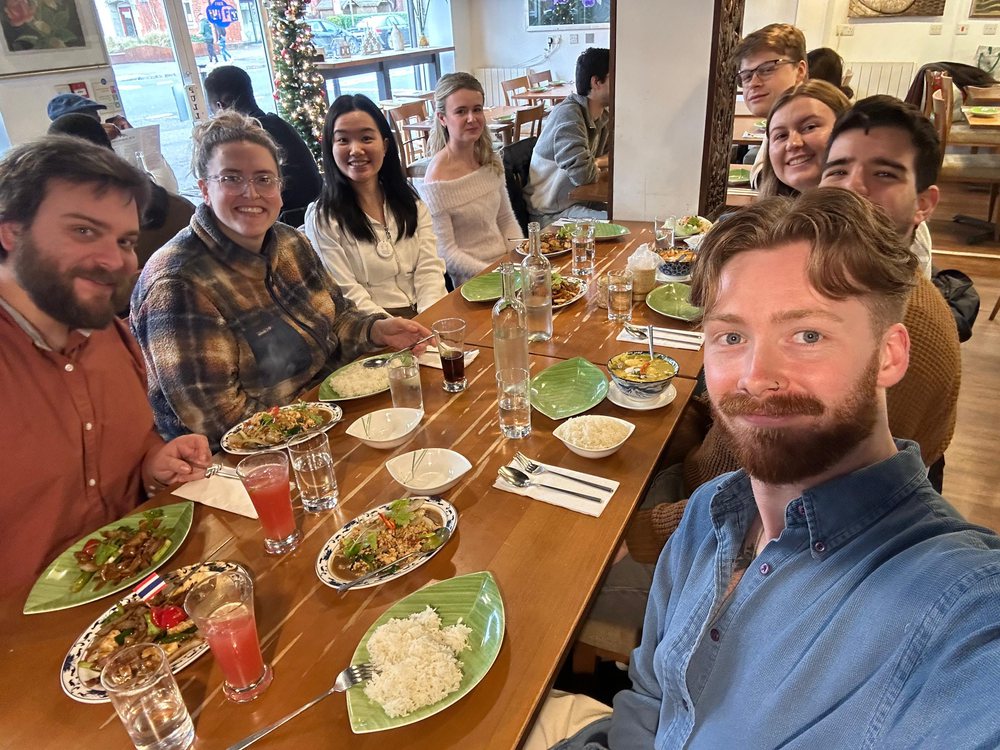
We are a mixed, multidisciplinary team spanning virology, evolution, drug design and computation. We value good science, good mentoring and a supportive culture, and we care as much about training the next generation of scientists as we do about the discoveries themselves.

Led by Dr Connor Bamford, the lab brings over a decade of experience with disease-causing viruses of humans and animals, including work that was central to Northern Ireland's response to the COVID-19 pandemic.

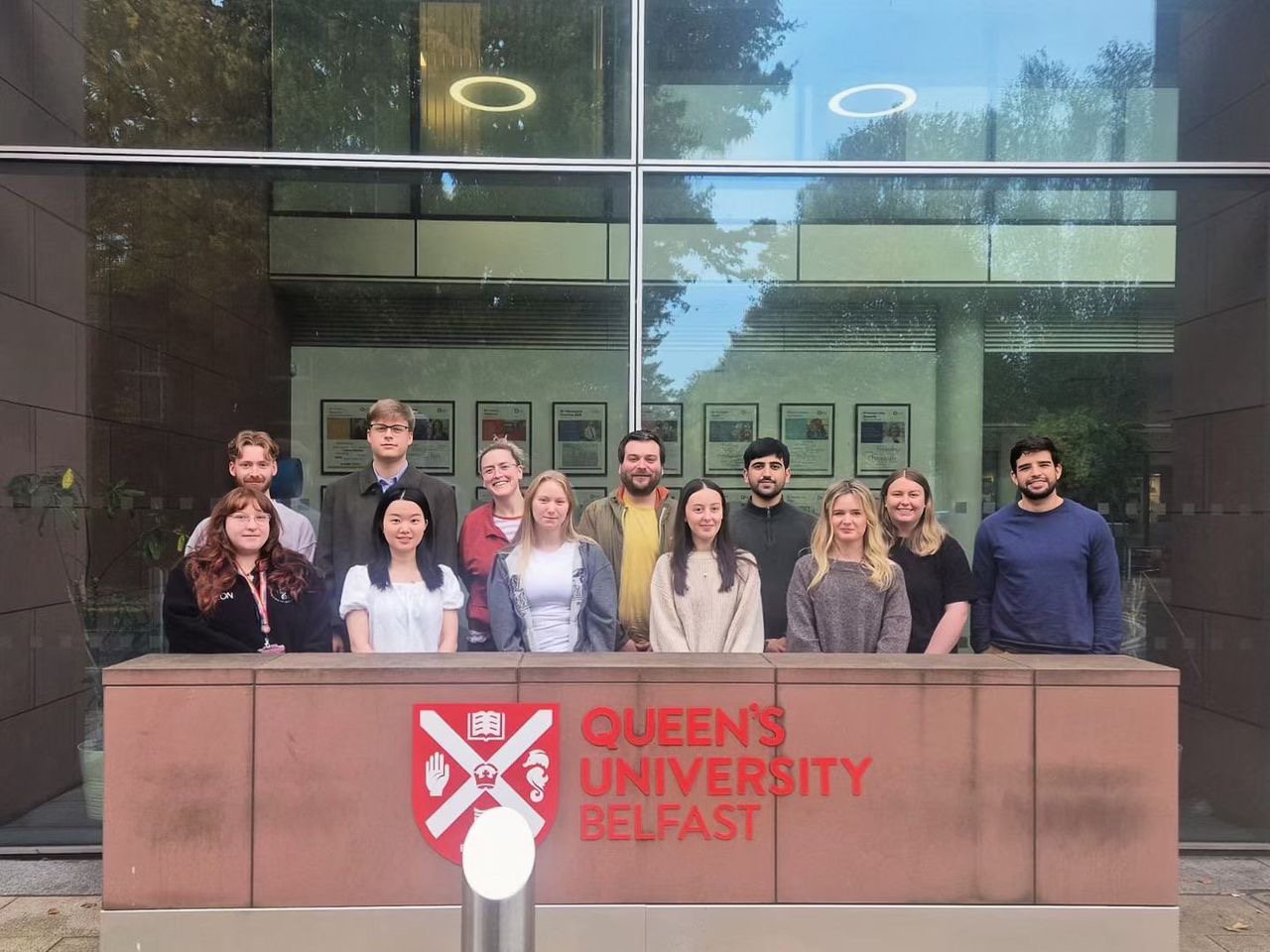
The Bamford Lab at Queen's University Belfast

Meet the lab

Dr Connor Bamford
Dr Connor Bamford
Group Leader

I am the PI of the group and the supervisor for every member of the team. I am a molecular biologist by training, focused on the interactions between viral pathogens and the machinery of the host cell, and fascinated by the diversity of living systems and how they evolve. My route here ran from a molecular biology degree at Queen's, through a PhD on mumps virus, to postdoctoral work on innate immunity to hepatitis C in Glasgow, and back to Belfast for the COVID-19 response. I now lead an interdisciplinary team working on re-emerging respiratory-borne viruses and arboviruses, across host-pathogen immunity, viral evolution and monitoring, and the environmental drivers of infection.

Role: Lecturer in Virology, School of Biological Sciences and the Institute for Global Food Security, QUB.

Outside the lab: Time with my family, especially my wife, our two young children, and the cat.

Full profile →
Read more
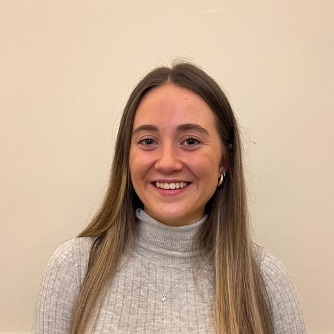
EM
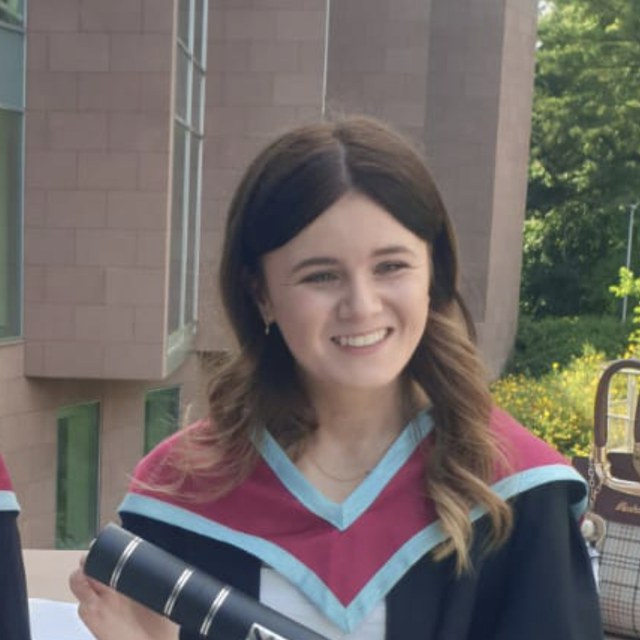
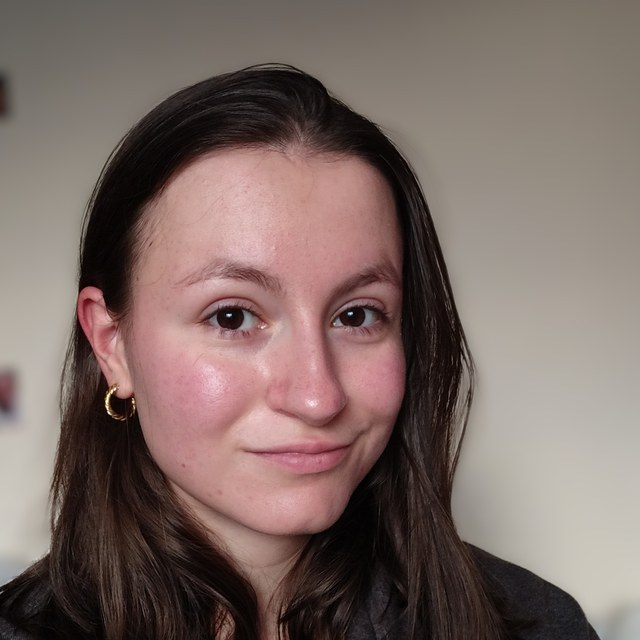
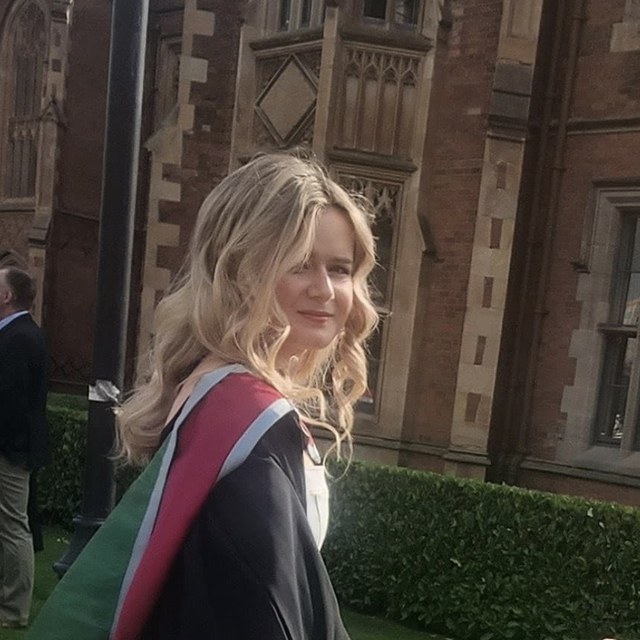
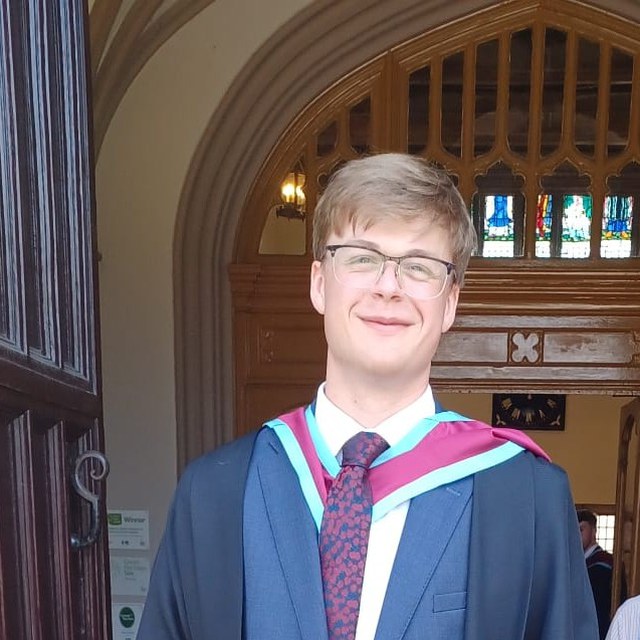
Emer McCann
Research Fellow

I joined the Bamford Lab in November 2026 as a Research Fellow working on the EnviroFlu project. I recently completed my PhD at Queen's University Belfast, focusing on the environmental surveillance of livestock parasites using molecular techniques, including ddPCR and Illumina sequencing. I now bring that environmental surveillance approach to avian influenza, sampling the freshwater sites that wild migratory waterbirds use.

Project: EnviroFlu: surveillance of avian influenza in freshwater environments frequented by wild migratory waterbirds.

Outside the lab: Watching films, cooking, trying (and failing) to learn new languages, spending time with friends and family, and currently learning how to crochet!

Full profile →
Read more
AC
Aaron Canton Bastarrachea
PhD Researcher

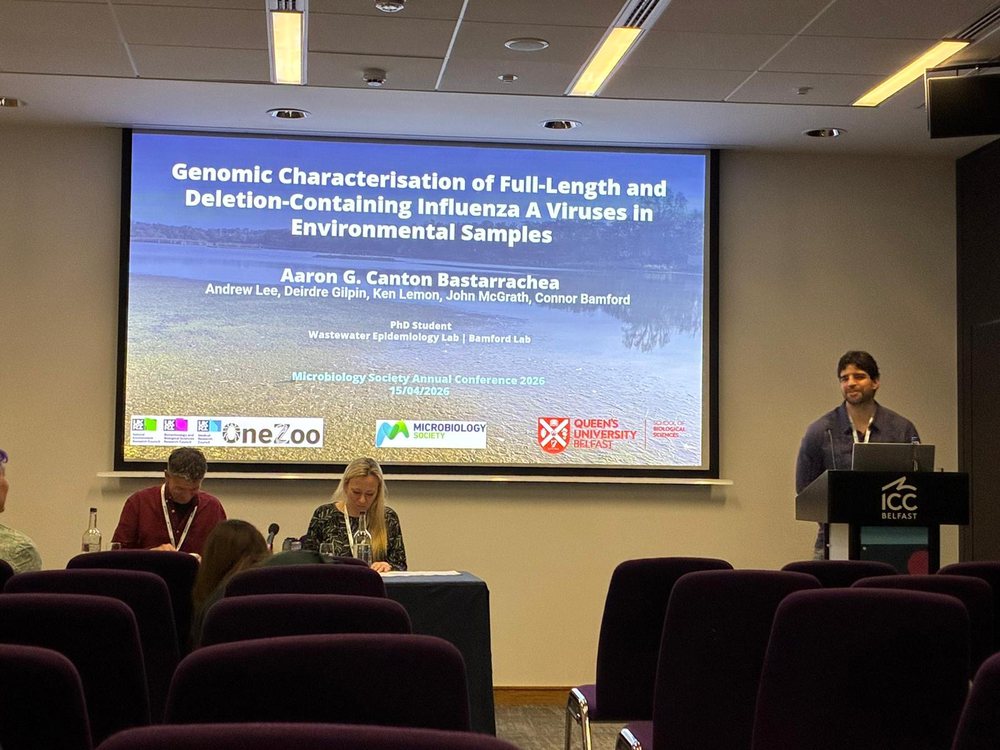
Aaron works on wastewater-based genomic surveillance of influenza A viruses, characterising the diversity of human and avian strains circulating in the environment as an early-warning tool for emerging threats. (Personal background and photo to follow.)

Project: Genomic characterisation of full-length and deletion-containing influenza A viruses in environmental samples. OneZoo Centre for Doctoral Training. Collaborators include Andrew Lee, Deirdre Gilpin, Ken Lemon and John McGrath.

Outside the lab: to follow.

Full profile →
Read more
KD
Kaitlin Donovan
PhD Researcher

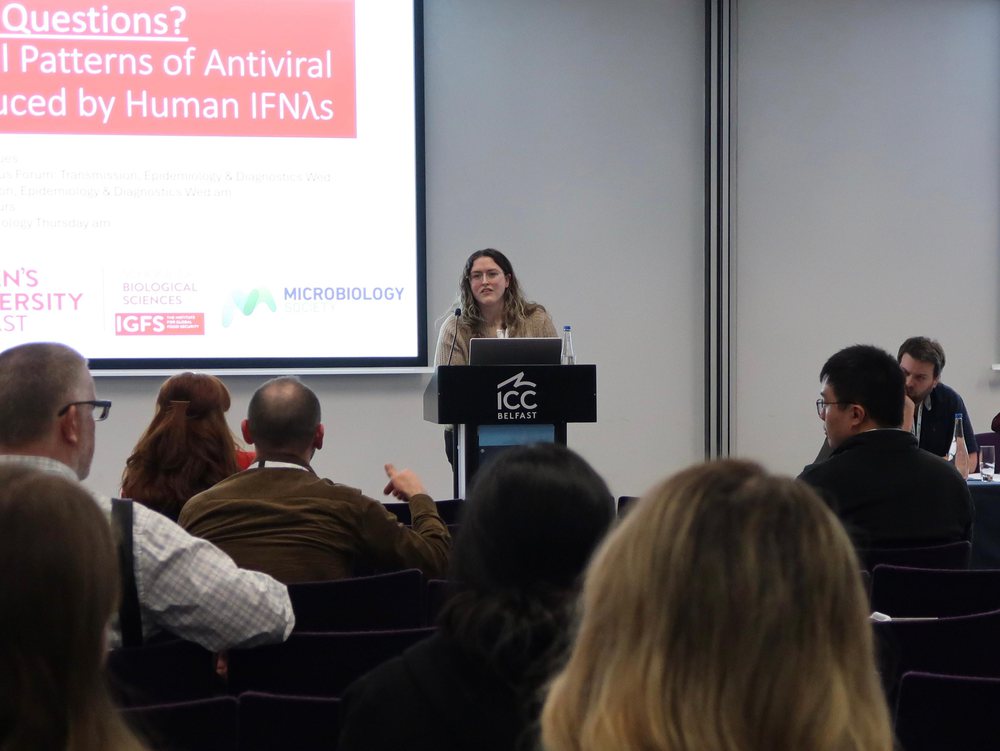
Katie investigates the type III interferon response, mapping the antiviral programmes that human interferon lambdas switch on to defend cells against viral infection. (Personal background and photo to follow.)

Project: Patterns of antiviral gene expression induced by human interferon lambdas (IFN-λ).

Outside the lab: to follow.

Full profile →
Read more
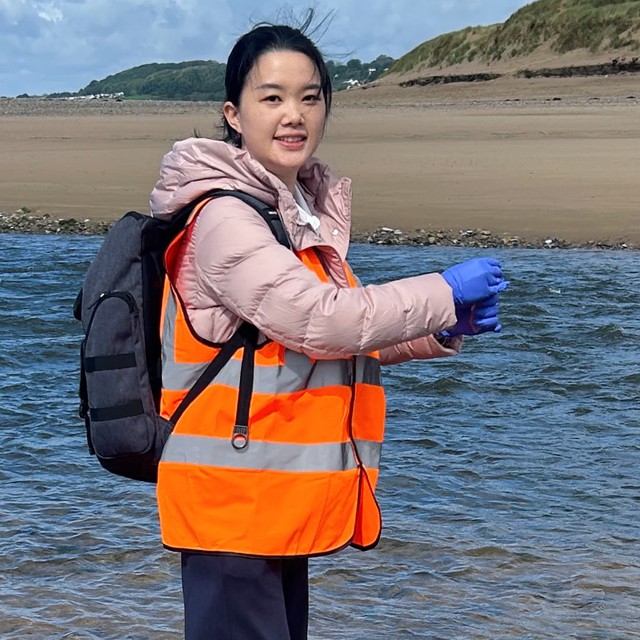
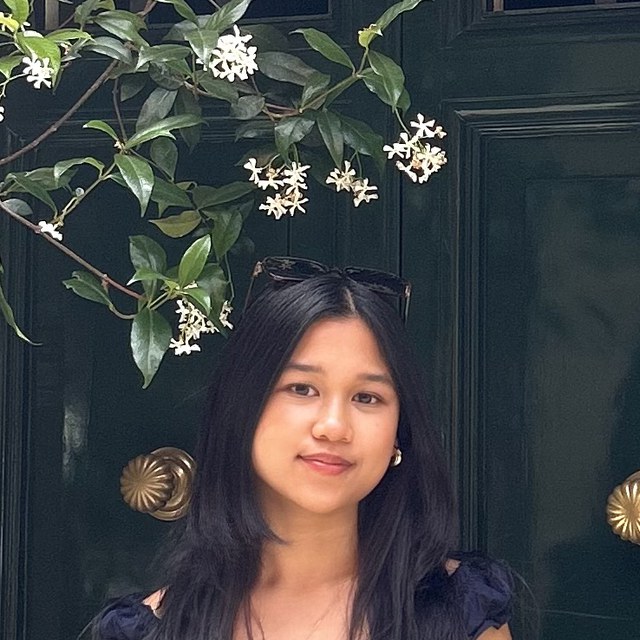
Jiaying Gu
Jiaying Gu
PhD Researcher

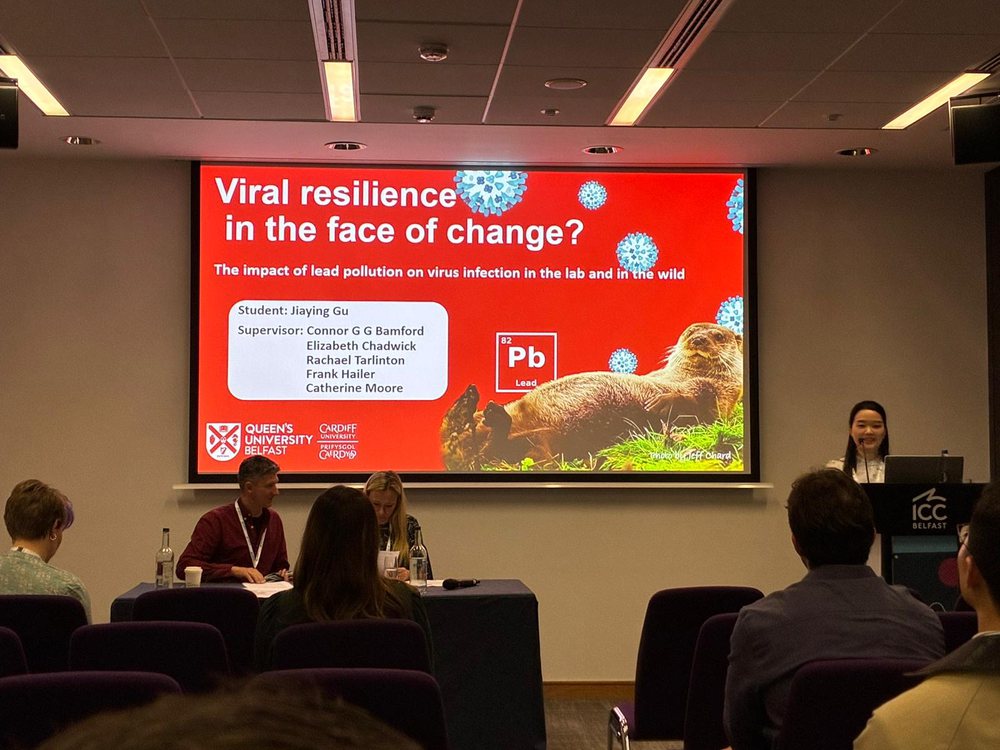
Hi, I'm Jiaying Gu, a PhD student in the OneZoo Centre for Doctoral Training at Queen's University Belfast, based in the Bamford AVI Lab. I studied Health Inspection and Quarantine at Guangdong Medical University before working for four years in the Microbiology Laboratory at the Shenzhen Yantian District Center for Disease Control and Prevention. In 2023, I completed a Master of Public Health at the University of Aberdeen. My PhD research examines how environmental chemical mixtures may alter immune responses and infectious disease risk in mammals. As part of a Cardiff University otter project, I investigate the viruses carried by wild otters and explore how pollution may influence host health and emerging zoonotic risks.

Project: Environmental Health and Infectious Disease: How Chemical Cocktails Help Drive Emerging Zoonoses in Mammals. Funded by the OneZoo Centre for Doctoral Training through UKRI. Collaborators: Cardiff University, University of Nottingham, Public Health Wales and the UK Animal and Plant Health Agency (APHA).

Outside the lab: foraging for mushrooms (though she cannot identify any of them), growing flowers (which rarely survive her care), and making dumplings, fortunately with much better results.

Full profile →
Read more
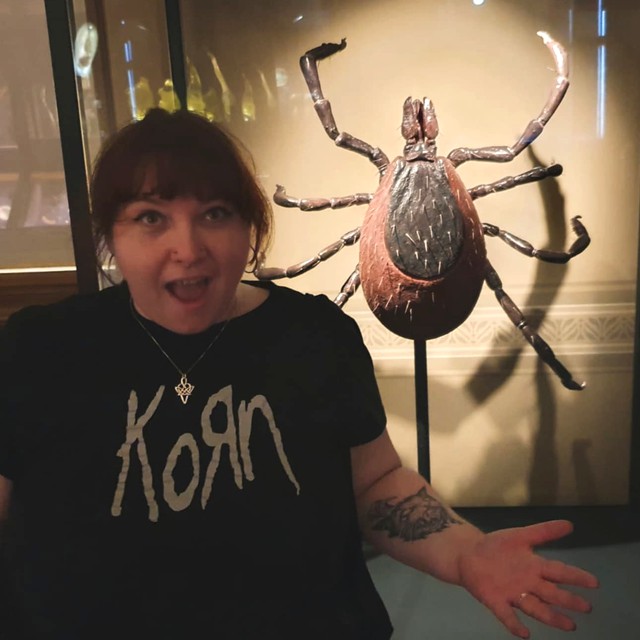
Banbha O'Neill
Banbha O'Neill
PhD Researcher

Hi, I'm Banbha, a PhD student in the Bamford Antiviral Immunity Lab. My research focuses on the surveillance and characterisation of tick-borne viruses in sheep and deer in Northern Ireland, and I work closely with my collaborators in the mammalian virology department at AFBI. I completed my undergraduate degree at Queen's University Belfast, where I obtained a first in MSci Biochemistry with Professional Studies. My previous research explored the part that co-evolution plays in the function of bat interferon receptors, with a focus on Pteropus alecto, the black flying fox. That began as an honours project in this lab and was extended for my integrated masters.

Project: Surveillance and characterisation of tick-borne viruses in sheep and deer in Northern Ireland. Funded by DAERA. Working closely with collaborators in the mammalian virology department at AFBI.

Outside the lab: Seeing live music, learning Irish, and making art through cross stitch.

Full profile →
Read more
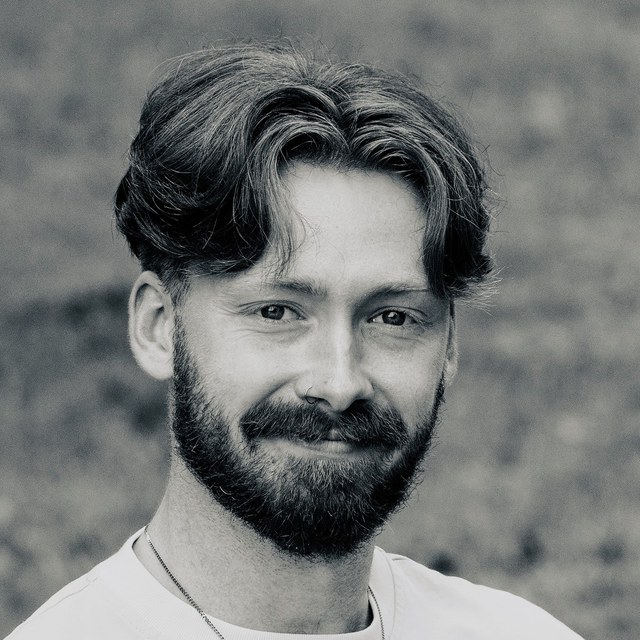
James McCabe
James McCabe
PhD Researcher

Hi, I'm James, a second-year PhD student working where evolutionary biology, structural biology and artificial intelligence meet.

Cytokines are the proteins cells use to talk to one another, and that conversation sits at the centre of three diseases at once: viruses counterfeit cytokines to switch the immune system off, inherited faults in the same receptors cause immunodeficiency and chronic inflammation, and tumours lose them to escape immune control. The same handful of amino acids tends to matter in all three.

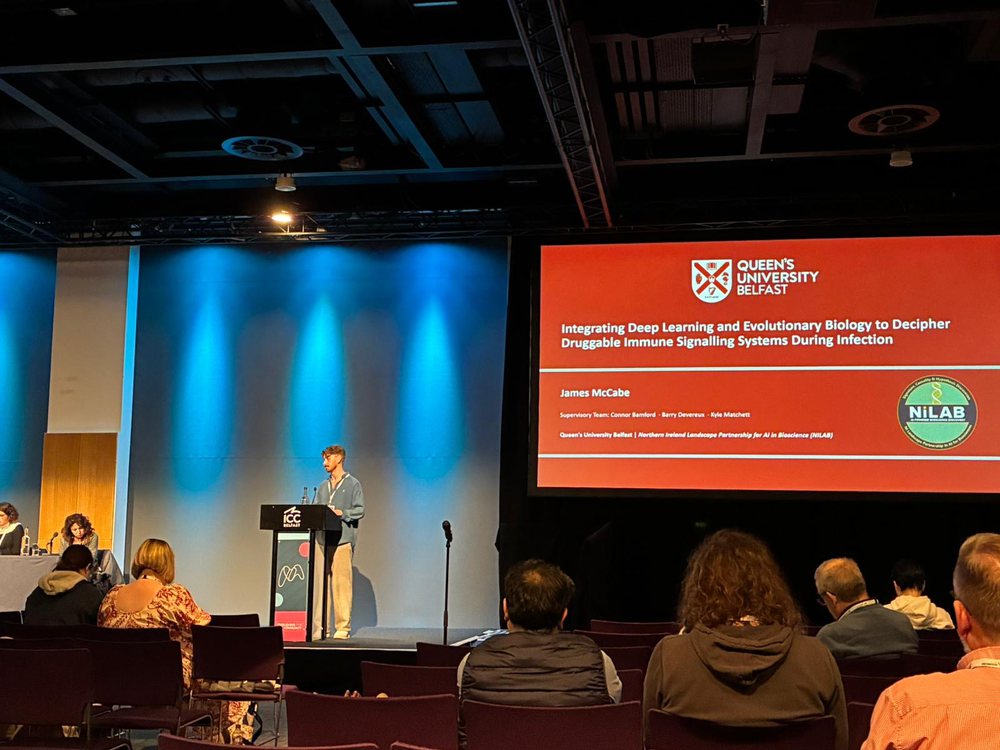
My PhD, EVOLVE-AI, asks which individual residues carry that function. AI protein language models learn what a protein can tolerate from sequence alone, but they are trained on databases that cover some branches of life far better than others. So I set them against the record of natural selection across thousands of vertebrate genomes, asking where the model goes blind and whether that blindness can be predicted. The aim is a map of the positions worth acting on: the sites viruses exploit, the ones that drive disease when they go wrong, and the ones worth engineering into better therapeutics.

Alongside the PhD I write open-source scientific software, including SCEPTR, a tool for characterising transcriptomes built at the Institute of Microbiology of the Czech Academy of Sciences. It lives on my GitHub.

Project: EVOLVE-AI: Evolutionary-Informed Deep Learning for Deciphering and Modifying Cell-Cell Communication During Infection, Inflammation, and Cancer. Funded by the BBSRC, through the NI Landscape partnership in AI for Bioscience (NILAB). Supervised by Connor Bamford, with Barry Devereux and Kyle Matchett.

Outside the lab: I love playing golf, cricket and tennis, and I am a keen mountaineer.

Full profile →
Read more
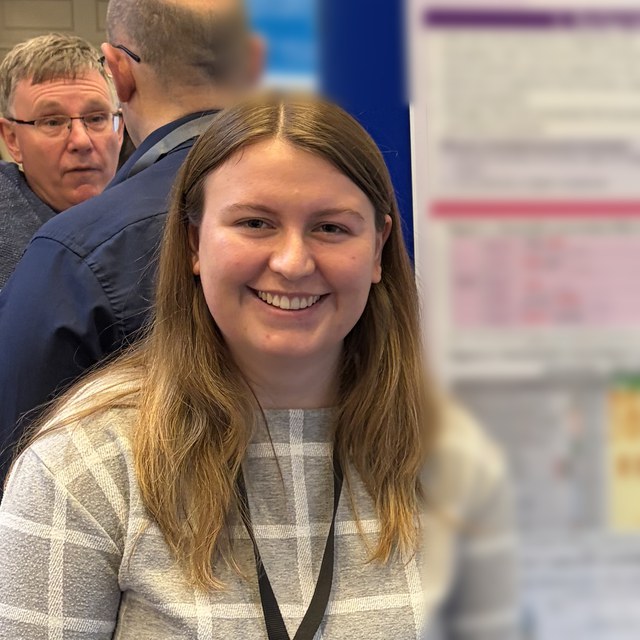
Mollie Nisbet
Mollie Nisbet
PhD Researcher

I'm Mollie, and my PhD explores the largely underappreciated relationship between nematodes and viruses, using the pig parasite Ascaris suum as my model organism. Nematodes are among the most abundant parasites on Earth, yet remarkably little is known about the viruses that infect them, or how those viruses might in turn shape the health of the animals the nematodes live in. I came to this from Liverpool, where I studied Biological Sciences as an integrated master's, by way of research placements in cancer immunology and in tropical medicine in Thailand.

Project: Exploring the relationship between nematodes and viruses, using the pig parasite Ascaris suum as a model organism. Collaborators include Angela Mousley and Martha Betson.

Outside the lab: Reading and baking.

Full profile →
Read more
Aimee Martin
Aimee Martin
PhD Researcher

Hi, I'm Aimee Martin, 22 years old, from Coagh in Co. Tyrone, and I'm currently undertaking a PhD focused on developing a broadly reactive vaccine against swine influenza A virus. My research involves influenza genomics, antigen optimisation, and evaluating cross-protective immune responses against diverse viral lineages. I'm passionate about improving animal health and contributing to innovative approaches for controlling infectious diseases in livestock.

Project: Developing a broadly reactive vaccine against swine influenza A virus.

Outside the lab: Reading, football and pickleball, time with family, and completing random side quests.

Full profile →
Read more
Estelle Muratet
Estelle Muratet
PhD Researcher

Hi, I'm Estelle! I'm French and lived internationally before moving to Aberdeen, Scotland to pursue my BSc in Biology. Following this, I moved to Belfast and obtained my MSc in One Health Parasitology and Infection Biology. My PhD focuses on coinfections and the interactions between viruses and microbes at a molecular and cellular level, with particular emphasis on influenza in wild birds and livestock.

Project: Social Virology at the Tri-Kingdom Interface in Birds and Mammals. Funded by the BBSRC NorthWestBio Doctoral Training Partnership.

Outside the lab: Fencing, various crafts and hiking.

Full profile →
Read more
Lauren Martin
Lauren Martin
PhD Researcher

Hi, I'm Lauren Martin, a 22-year-old PhD researcher from the small town of Coagh in Northern Ireland. My research focuses on Porcine Reproductive and Respiratory Syndrome Virus (PRRSV) and understanding why some pigs and farms are more resilient to infection than others. Using microbiome, health and production data from commercial farms, I hope to uncover microbial and host factors that can improve pig health, welfare and productivity.

Project: Porcine Reproductive and Respiratory Syndrome Virus (PRRSV): understanding why some pigs and farms are more resilient to infection than others.

Outside the lab: A retired Irish dancer. Reading, learning tennis and piano, and time with family and friends.

Full profile →
Read more
Patrick Cunningham
Patrick Cunningham
PhD Researcher

Hi, my name is Patrick Cunningham. I am a local Queen's student, living in Northern Ireland, and I completed both my biochemistry undergraduate degree and my MSci here. I am currently in the first year of my PhD, working to improve our understanding of cyanophage and cyanobacteria interactions and how we sample them, with the aim of using them as a treatment for the seasonal harmful algal blooms affecting Lough Neagh.

Project: Cyanophage and cyanobacteria interactions, and their potential as a treatment for the seasonal harmful algal blooms affecting Lough Neagh. Funded by QUARTILES.

Outside the lab: Walking and hiking, badminton with the Queen's society, and tabletop games including Magic: The Gathering and Warhammer 40K.

Full profile →
Read more
DP
Daniel Payne
MSci Student

Profile to follow.

Full profile →
Read more
KL
Kira Leverington
MSci Student

Profile to follow.

Full profile →
Read more
Emma Harrison
Emma Harrison
MSci Student

I'm Emma, an MSci Microbiology student at the University of Glasgow, currently completing my integrated master's research placement in the Bamford Antiviral Immunity Lab at Queen's. My project focuses on investigating viruses circulating in mosquito populations in Northern Ireland, with a particular focus on arboviruses.

Project: Investigating the viruses circulating in mosquito populations in Northern Ireland, with a particular focus on arboviruses.

Outside the lab: Playing sports, mostly running and hockey, and spending time with my dogs.

Full profile →
Read more
CC
Chantalle Coombes
BSc Project Student

Profile to follow.

Full profile →
Read more
Evinka Pasaribu
Evinka Pasaribu
BSc Project Student

Hi, I'm Evinka! Originally from Indonesia, I was born and raised in Qatar before moving to Belfast to study Biological Sciences at Queen's University Belfast. Following a placement year at Pfizer, I'm now in my final year and currently working on EVOLVE-AI, a research project that uses machine learning and evolutionary biology to help engineer broadly acting antivirals.

Project: EVOLVE-AI: using machine learning and evolutionary biology to help engineer broadly acting antivirals.

Outside the lab: Photography and videography, and a love of travel and meeting new people.

Full profile →
Read more
Run Zhang
Run Zhang
BSc Project Student

I'm Run Zhang, originally from Nanjing, and currently studying for a BSc in Biological Sciences at Queen's University Belfast. My research interests are mainly in aquatic and environmental microbiology. I'm currently working on my final-year project investigating how rainwater bacterial microbiota affect the viability of influenza A virus.

Project: How rainwater bacterial microbiota affect the viability of influenza A virus.

Outside the lab: Singing and watching films.

Full profile →
Read more

Life in the lab

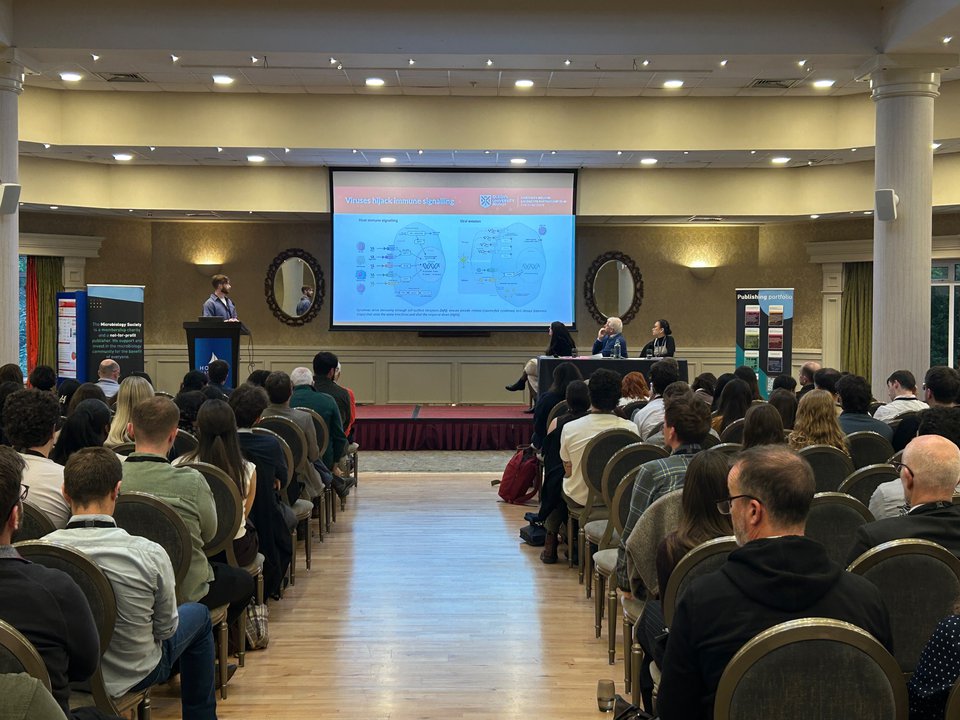
At the Microbiology Society Annual Meeting in Ireland 2026

James McCabe giving a talk
James McCabe (talk): evolutionary biology and deep learning to find selective druggable targets in immune signalling
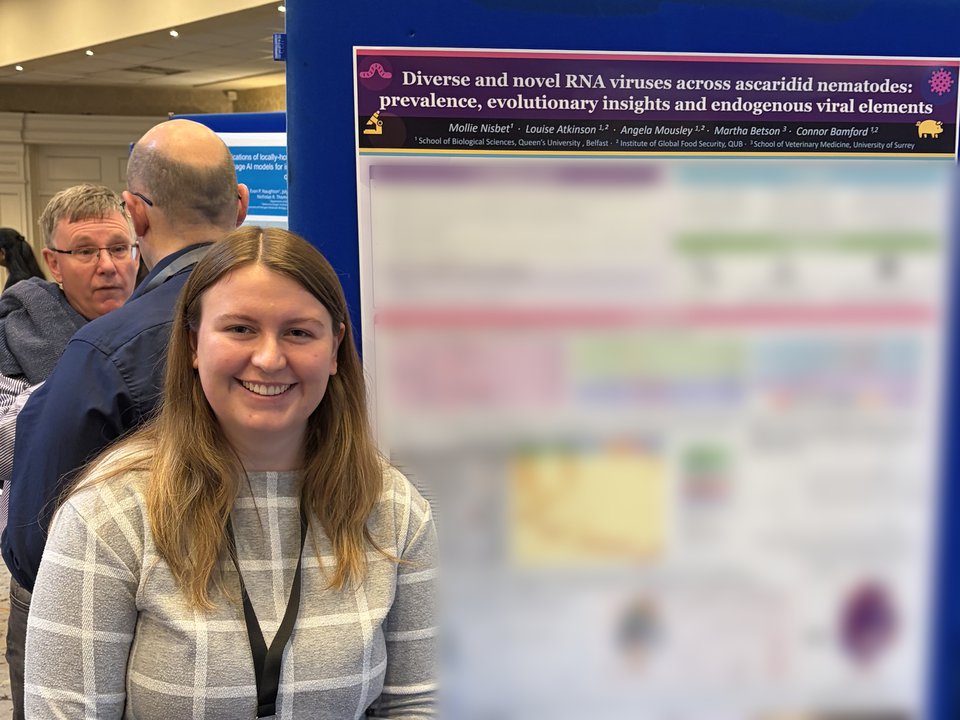
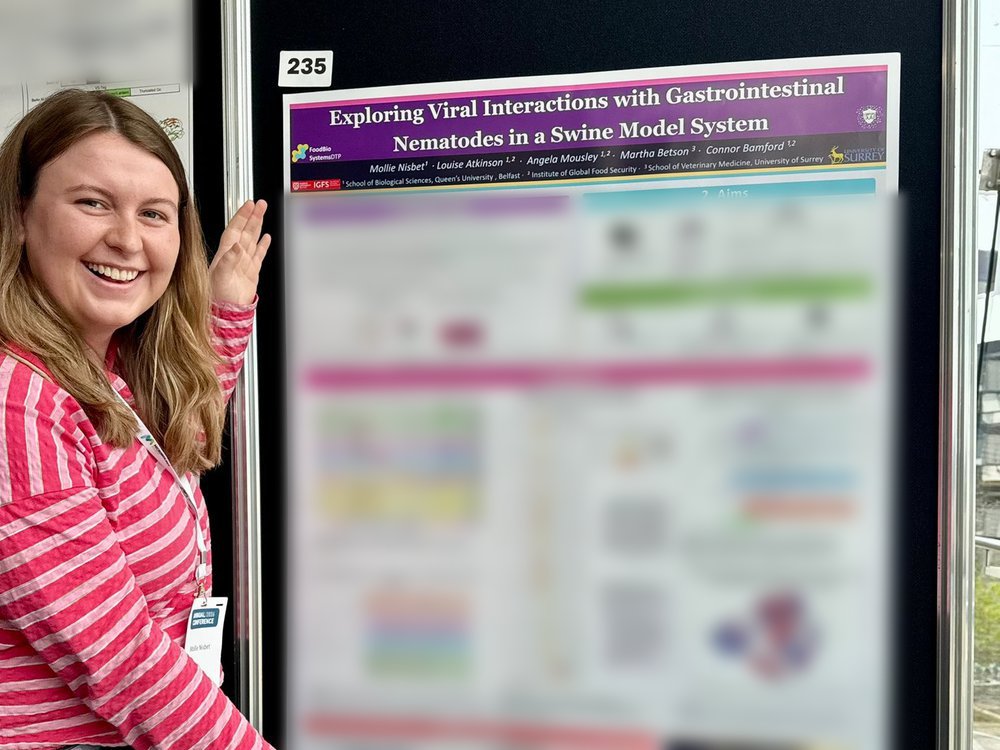
Mollie Nisbet with her poster
Mollie Nisbet: RNA viruses and endogenous viral elements in ascaridid nematodes
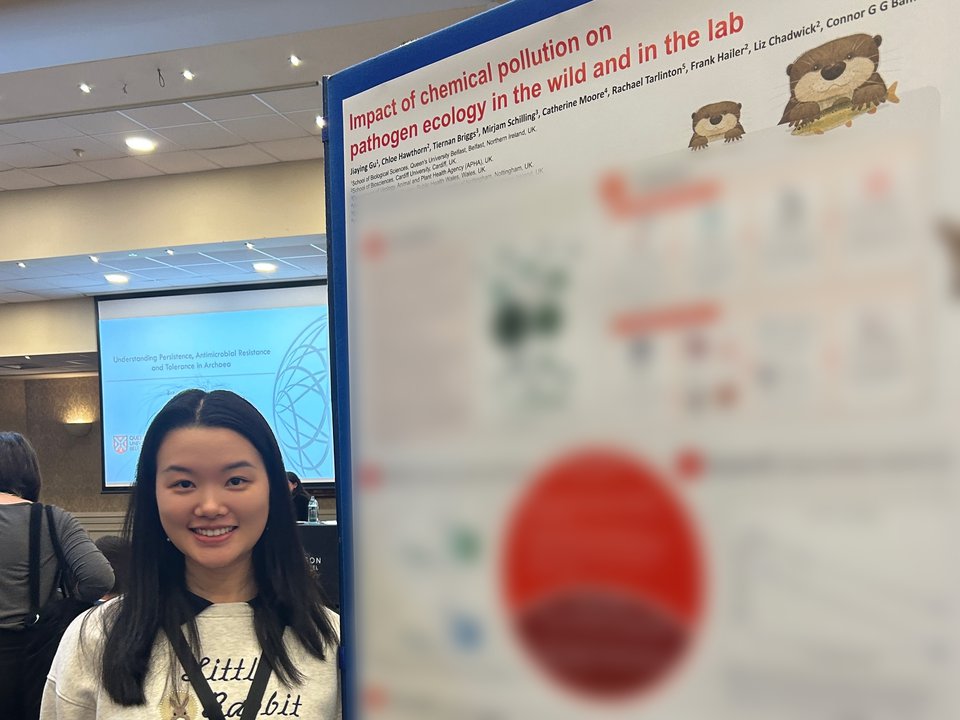
Jiaying Gu with her poster
Jiaying Gu: chemical pollution and pathogen ecology, in the wild and in the lab
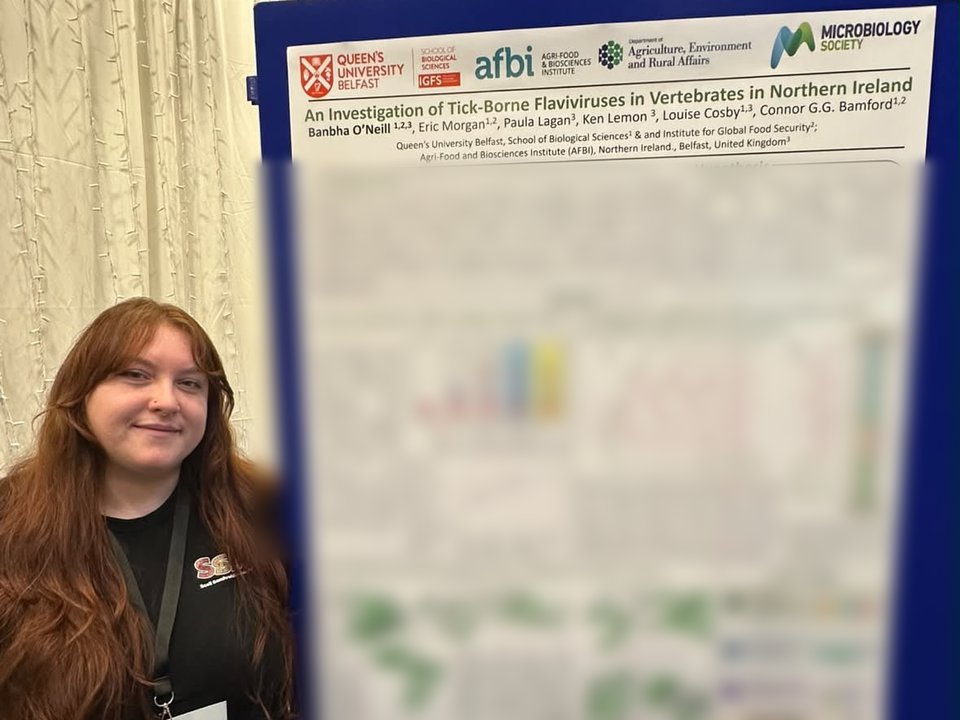
Banbha O'Neill with her poster
Banbha O'Neill: tick-borne flaviviruses in vertebrates in Northern Ireland

At the Microbiology Society Annual Conference 2026, Belfast

Jiaying Gu presenting
Jiaying Gu: lead pollution and viral resilience in wild otters
Kaitlin Donovan presenting
Kaitlin Donovan: antiviral patterns induced by human interferon lambdas
Aaron Canton Bastarrachea presenting
Aaron Canton Bastarrachea: influenza A viruses in environmental samples
James McCabe presenting
James McCabe: deep learning and evolution for immune signalling
Mollie Nisbet presenting a poster
Mollie Nisbet: viral interactions with gastrointestinal nematodes

An open lab

Good science needs different minds, and we welcome people of every background, nationality, ethnicity, gender identity, sexual orientation, religion, age and disability status. Positions are advertised openly, everyone gets proper mentoring, and we work with people who have caring responsibilities or health conditions to find arrangements that fit.

If you are not sure whether you would fit, please get in touch.

Athena Swan Gender Charter, Gold Award

The Bamford Lab sits within the School of Biological Sciences at Queen's University Belfast, which holds an Athena Swan Gold award in recognition of its work on gender equality, and was the first School of Biology in the UK to reach that level.